How Is Seaweed Classified?
Microalgae & Macroalgae.
Seaweed is divided between this two taxonomic groups

Microalgae
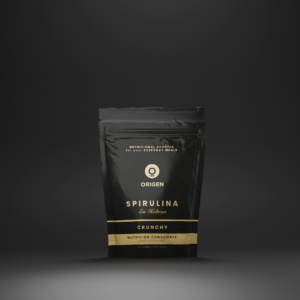
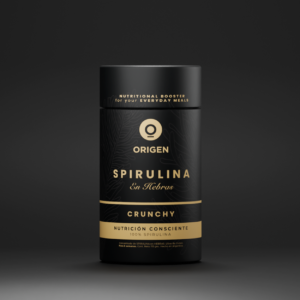
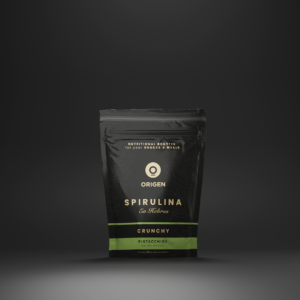
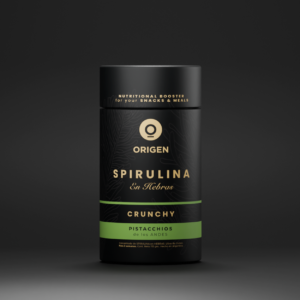
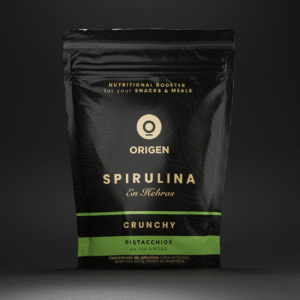
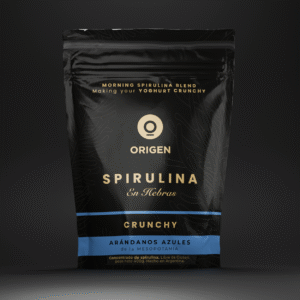
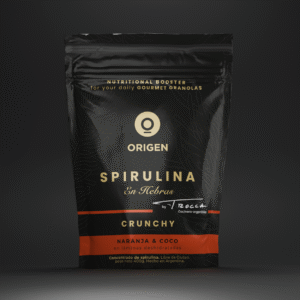
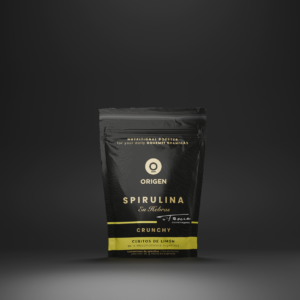
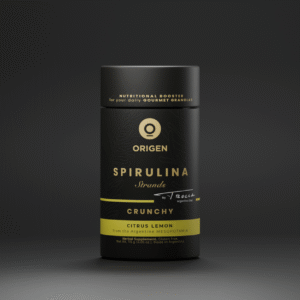
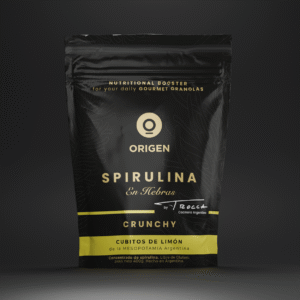
(e.g. Spirulina en Hebras)
Microalgae are microscopic organisms that have been producing oxygen and sustaining life on Earth for over 3 billion years. Despite their tiny size, they concentrate an extraordinary amount of proteins, vitamins, minerals, and antioxidants, making them one of the most complete foods on the planet. Spirulina is one of the oldest and most valued microalgae in the world.
Why consume Microalgae?
✔ Complete, ultra-high-quality protein (60–70%), with all essential amino acids and very easy to digest
✔ Essential minerals: bioavailable Iron, Magnesium, Calcium, Potassium, and Zinc
✔ Gamma-linolenic acid (GLA), an essential fatty acid with anti-inflammatory effects
✔ Phycocyanin, the exclusive blue pigment of Spirulina en Hebras, a potent natural antioxidant
✔ B vitamins, Beta-carotene, and Vitamin E in forms the body absorbs easily
✔ Chlorophyll and Carotenoids that help detoxify and protect cells
Macroalgae
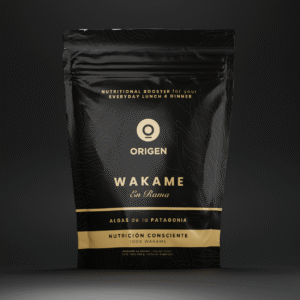
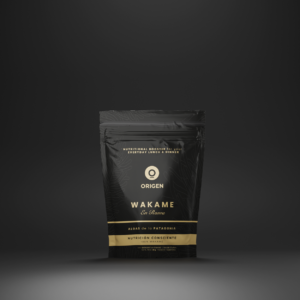
(e.g. Wakame, Nori, Sea Lettuce)
Macroalgae are multicellular photosynthetic organisms that live primarily in saltwater marine environments. They are classified by color (green, red, and brown), each with unique pigmentation and distinct nutrient storage profiles.
They have been part of the human diet for millennia, especially in Asia, and are an exceptional source of marine minerals, fiber, protein, and antioxidants unique to the ocean.
Why consume Macroalgae?
✔ Marine minerals: iron, calcium, iodine, magnesium, and potassium
✔ Vitamins A, C, E, K, and several from the B-complex group
✔ Unique antioxidants: fucoxanthin, porphyran, and ulvans
✔ Dietary fiber that supports the microbiome and intestinal transit
✔ Bioactive compounds with anti-inflammatory and cardiovascular effects
Returning to Algae is returning to the Origin: a simple, natural way to nourish the body with what the Earth and the Sea have always offered us.
ALGAE from PATAGONIA
Nurtured in the purest waters of Patagonia. Dried by the sun. Carried by the wind. Crafted by hands that honor Nature.
Born of water, carried by the wind, and cured by the sun of our Patagonian seas, the essence of our algae is profoundly delicate.
Their molecular composition was designed to fulfill the highest purposes: to oxygenate our habitat and nourish our bodies. That is why the intervention of our hands must be equally delicate. Conscious. Artisanal.
Not all algae are the same.
The quality of the waters where they grow is a decisive factor. That is why ensuring a marine segment free from nearby ports and effluents is vital. The same applies to our freshwater tanks where we cultivate microalgae. This way, the algae absorb pure vitality.
The drying method is also key to ensuring that the algae retain 100% of their nutrients intact. Only sun-drying, carried out by hand, guarantees a temperature below 42°C that does not denature vitamins or volatilize fatty acids.
From there, our hands need only consciously accompany the processes of cultivation, harvesting, washing, cutting, and packaging — to offer you a unique, clean, creative, and nourishing alternative for your daily meals.
This is how we do it. This is what we protect. This is Algas de Origen. Your Origin. Your Essence.

Restoring human vital energy
Thanks to their unparalleled nutritional density—packed with proteins, vitamins, minerals, healthy fats, and fiber—algae offer:
-
Antioxidant
-
Anti-inflammatory
-
Immune-modulating
properties.
This translates into powerful health benefits, including:
✔ Boosting energy levels
✔ Supporting weight regulation
✔ Slowing aging
✔ Detoxifying the body
✔ Repairing gut microbiota
✔ Improving digestion
✔ Eliminating heavy metals
✔ Promoting liver and circulatory health
…and more.
Healing the Planet
Seaweeds are essential for environmental repair by:
-
Producing ~50% of the world’s oxygen (via global photosynthesis).
-
Capturing human-generated CO₂ and converting it into organic matter.
-
Alkalizing oceans, counteracting oxygen depletion and nitrogen excess.
-
Sustaining marine biodiversity—providing habitat, shelter, and food for fish.
-
Potentially replacing land-based biomass in food production, reducing reliance on external energy inputs.
-
Offering a bio-ecological alternative to fossil-fuel-derived consumer goods.